




Ever feel like the school doesn’t teach real-life experiences or practical skills to use after high school? Ever had those moments back in middle school wondering if high school will prepare a person for real-life experiences or for a future career? Yes, some classes do help prepare students. But, in what ways do students learn what to expect in the real world or how to discover future careers while in high school?
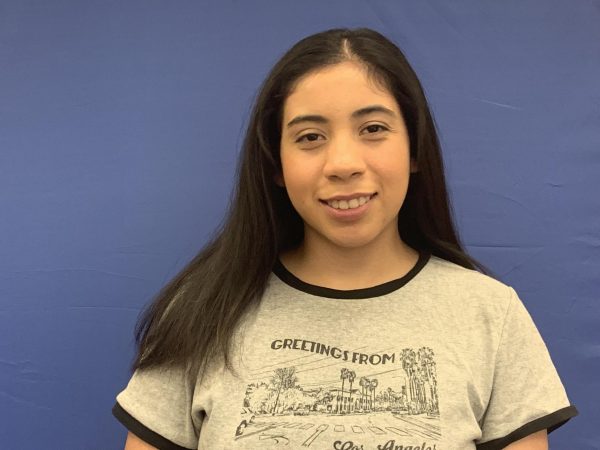
In fact, Elkhart High School provides incredible career opportunities for students through the Internship Program and the Career Center. As one middle school student–Eden Szymczak–prepares to enter high school, she reiterates her knowledge of what EHS offers. “I think, in certain ways, that here in Elkhart we offer students the Career Center. And, there’s opportunities for internships–not every school has that!” But, Szymczak fears that high school misses the mark in other areas. “I would be most unprepared for finding a job, doing taxes, or overall navigating of going to college.”
Usually, the focus of secondary education is on academic achievements: English, math, and science. But, what of the practical life skills, including such areas as financial literacy? Why doesn’t the state put more emphasis on those skills? Yet, even students often neglect to consider the importance of “life skills” until graduation time. But, then, it’s too late. As Senior Vanessa Gallardo puts it, “School doesn’t teach some real-life experiences, such as facing the consequences for not being productive!” In essence, she says that the safety net is never lowered in high school, leading students to believe that “life” will continue to provide that same level of security after graduation. In reality, it does not.
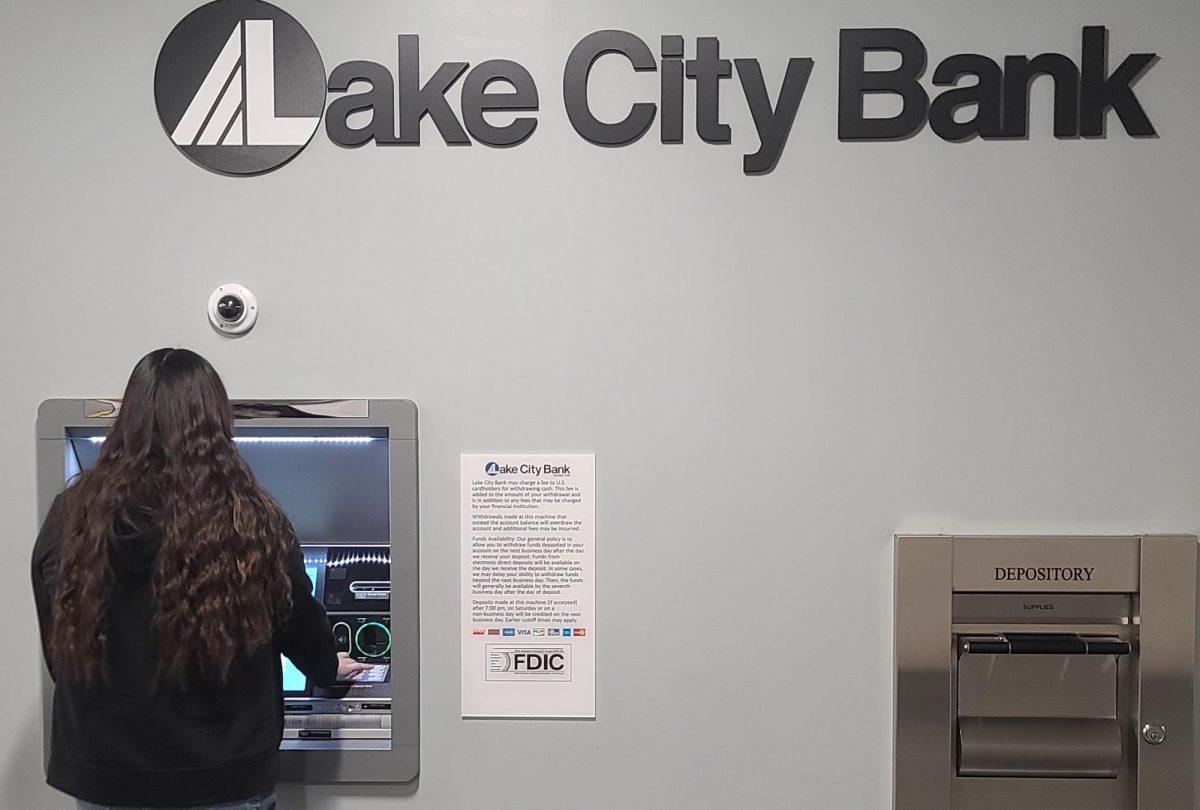
Most, if not all students, naturally feel as if they are not prepared for the real world. But, students can learn to adapt–even if it is a rocky road while figuring things out. Clearly, the most challenging aspect revolves around money. “A real-life experience of finance literacy” is what Gallardo is most concerned about. “School doesn’t teach the students how these things work!” She would love to learn about signing loans on cars, apartments, or even houses, as well as what what one needs to do early in life to prepare for retirement.
If an incoming high school student had the choice of one required class to have, what would it be? Szymczak wants this: “A general ‘Life Skills’ class, such as filing taxes, writing checks, applying for jobs, time management, anything related to finance.” Graduating Senior Gallardo agrees. “I would add a finance class, because it would teach students how to handle their personal finances. One day,” she cautions, “it will be a struggle for those not having the knowledge on handling money–or just the basics of living life!”
A person’s education should extend beyond merely learning the basics of reading, writing, and arithmetic. It should place a greater emphasis on how to apply those skills to daily adult life. Students may not be hyped about having to learn these lessons while in school. But, it’s better than having to learn them the hard way…out in the real world.