





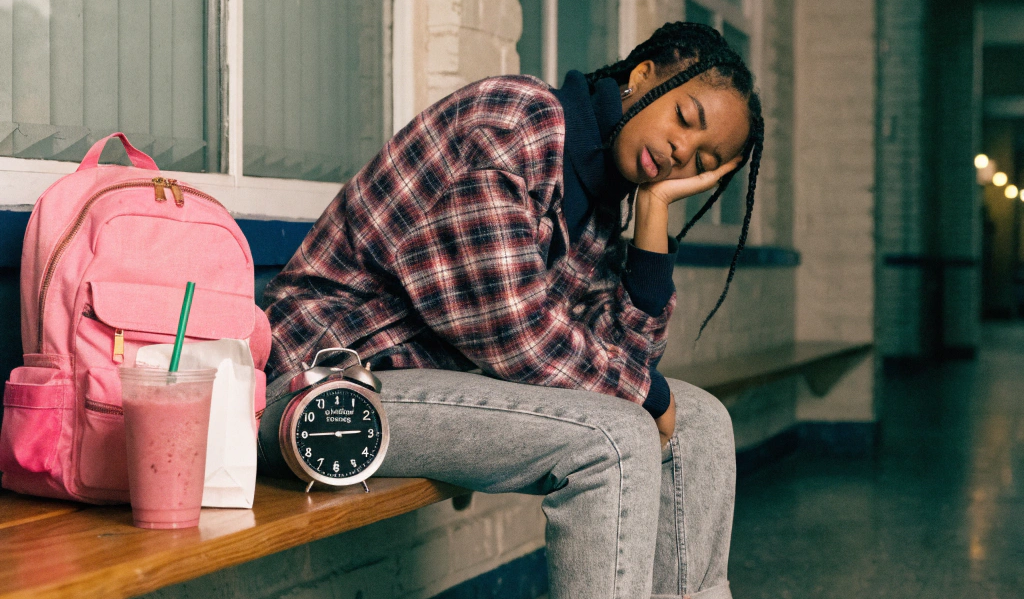
Studies have shown that getting less than seven hours of sleep can result in a plethora of problems, such as increased heart issues, higher risk of cancer, increased mortality rate, and even mental issues. This article aims to reveal the issues that can be brought upon someone if he or she doesn’t get the right amount of sleep.
What Are Potential Health Risks?
As cardiosmart.org states, “After analysis, researchers found that getting less than six hours of sleep a night doubled risk of death in participants with high blood pressure or diabetes. Less than six hours of sleep more than tripled risk of death in patients with heart disease or stroke,” showing that for people who already have health complications, lack of sleep can increase the risk of death drastically. Additionally, heart.org states, “Sleep-deprived people with a history of heart disease or stroke had three times the increased risk of dying from cancer during the study that spanned three decades.”
What Risks Do Teenagers Have?
As med.stanford.edu states, “Sleep deprivation increases the likelihood teens will suffer myriad negative consequences, including an inability to concentrate, poor grades, drowsy-driving incidents, anxiety, depression…” The article also goes into depth about how it seems to be just an endless cycle for students, staying up till late hours in the night grinding away at work only to be exhausted all day at school and have to make up for it by grinding away at more work during the late hours of the night. Some might also argue that switching to Daylight Savings Time only adds to the negative impact on sleep.
Three EHS students also had much to say about their sleep: Braxton Fultz, a Sophomore, states, “My sleep has been moderate,” he says, adding, “Daylight Savings Time has not affected my sleep at all.” Conversely, Orbin Buell, another EHS Sophomore, says, “I haven’t slept well,” adding, “I don’t like [Daylight Savings Time]; it messes up my sleep schedule really bad.” On the other hand ,MaKayla Flores, yet another EHS Sophomore, exclaims, “My sleep has been nice,” she confides. “I don’t like that I got an hour less of sleep [referring to Daylight Savings Time].”
Med.stanford.edu also says, “According to a 2006 National Sleep Foundation poll, the organization’s most recent survey of teen sleep, more than 87 percent of high school students in the United States get far less than the recommended eight to 10 hours, and the amount of time they sleep is decreasing –a serious threat to their health,” showing that most students are already in this endless loop and some are just unable to handle their situation, which causes unfavorable outcomes to occur, such as dropping out of school or just not doing work anymore.
How to Mitigate Risk.
As healio.com states, “Of the total cohort, 688 patients died, and the group that slept 6 to less than 7 hours had the most deaths (n = 240), followed by those who slept 5 to less than 6 hours (n = 209), those who slept less than 5 hours (n = 181) and those who slept at least 7 hours (n = 58; p < .001).” This information suggests that getting at least 7 hours of sleep each night drastically reduces the risk of death. Additionally, getting the recommended amount of sleep has been shown to improve overall mental and physical health.
Thus, despite the feeling of getting up an hour earlier each day due to Daylight Savings Time and not feeling sleepy when the clock indicates it’s time for bed, students need to be mindful to get a proper night’s sleep.