






Artificial Intelligence: It seems to be creeping ever more into everyone’s lives, whether they like it or not–at least everybody with access to the web, and even then it seems like machine thinking is starting to creep into the real world.
Artificial Intelligence–or just AI–is perhaps one of humanity’s largest double-edged swords. It is a tool that works to both benefit the world and damage it. Yet, why is this?
The simple answer is this: humans. AI is a tool made by people to benefit themselves or others. Ultimately, however, how it is used is up to the individual, for a machine bases its thinking on what has already been made by man.
Of course, the full answer is more complex; so, it is best to take the word of those knowledgeable on the subject of machines and machine thinking–such as one, David Kriegel, a robotics teacher at Elkhart High School.
First off, it is best to start with the positives, is it not? Kriegel has spoken his thoughts about the “good” of AI, stating, “For one, it is great for creating a structure to start building an idea off of, such as organizing your thoughts, creating a timeline, and checking points to keep you on task–along with increased access to programming tools, since AI is particularly good at programming. However, it is hard to follow and maintain specific code.”
Additionally, according to some sources, such as NYU, it also aids in enhanced problem solving, information retrieval, innovation, and (to an extent) personalized creativity.
Though, as mentioned before, AI is a double-edged sword, for where there is “good,” there is also “bad.” Kriegel has criticized AI himself, stating, “AI can spout out false and incorrect information. I’ve personally seen it be completely wrong on Engineering topics.” Continuing, he stresses, “You must also know the subject pretty well so that you can recognize when it is producing incorrect and possibly dangerous results. Additionally, outsourcing our problem solving and curiosity to a program can result in people becoming lazy thinkers.”
NYU, too, has critiqued AI, mentioning loss of jobs to automated programs (such as machines replacing humans on assembly lines), concerns over privacy, and even possible ethical dilemmas.
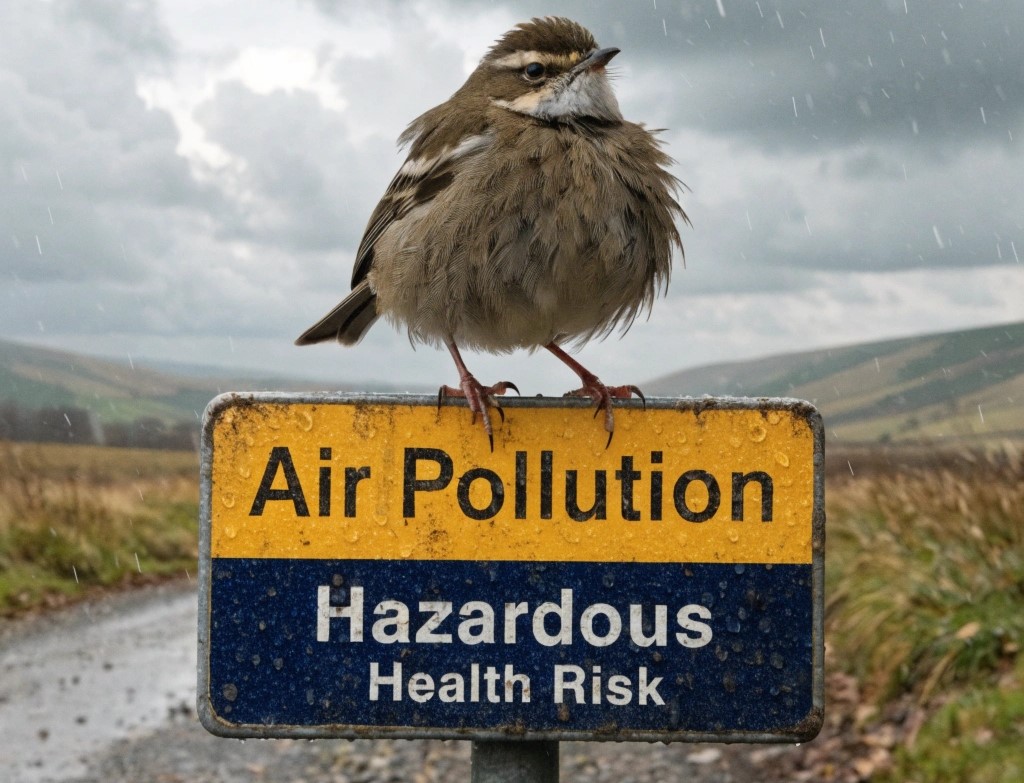
Additionally, one of the most discussed topics when it comes to issues with AI is environmental factors. The United Nations Environment Programme (UNEP) has reported some rather disconcerting points related to the effect of AI upon the environment.
Some of these items noted in their report include mentions of AI being used to detect oil, natural gases, and other such producers of greenhouse gases that can pollute the environment. Along with some more direct correlations mentioned, such as AI data centers needing a lot of natural material to run, along with the issue of water consumption for coolant.
Kriegel himself has also critiqued the effects of AI upon the environment, stating, “Artificial Intelligence takes a lot of power and cooling to run. If we were to have greater use of nuclear energy, that would help on the environmental side. Even using popular forms of clean energy generation, such as wind and solar, results in the takeover of a lot of arable land.”
Finally, there is the overall future of AI. Given its very mixed reputation, it remains uncertain how much advancement or progress relations Artificial Intelligence will continue in the future, especially with the mounting environmental concerns.
Ultimately, the main question is whether the future of AI is going to be good, bad, or remain as it is now. Given the current rapid advancements and pushback, the answer is really up for debate.
Kriegel himself has states, “The next 5-10 years will tell.” However, Kriegel’s excitement over AI has waned. “I’ve found myself using it less and less because I don’t trust the results. I keep reading stories of companies turning over functions to AI prematurely, resulting in issues.” As a point in case, Kriegel adds, “There was a time recently where I believe AWS (Amazon Web Services) let AI push out code without a human in the loop, causing outages. Personally, I just feel we are rushing the adoption of AI too quickly. As the saying goes: “Every time we give a little bit more control over to AI, ‘Skynet Smiles.’ ”