





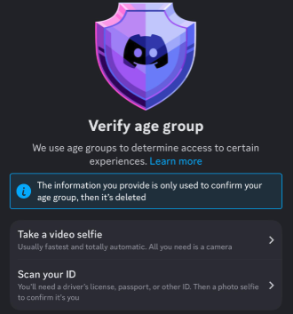
In a world obsessed with youthfulness, looking younger is not what those over 18 are aiming for when going through the age-verification process online.
So, what’s behind this sudden push for age verification? Many point to parental concerns surrounding the websites their children are accessing–a large portion of parents feeling that their kids are unsafe online (around 46%), as Fortune Magazine mentions. However, the article points out that parents are poorly regulating their kids’ online activity–with about 47% of parents fully utilizing parental controls. Mr. Neil Bahbah, the EHS cybersecurity teacher, makes this point: “Let’s face it, my own kids have been dodging age verification since they were 3. Ultimately,” he admits, “it’s the parent’s responsibility to monitor and guide what their kids are seeing and doing. Implementation of simple firewall rules and restricting keywords and websites is easier than ever now–whether it is cellular or WiFi.”
Due to the parents’ lack of intervention–resulting in heinous situations involving grooming of children and exposing them to explicit activities online–lawmakers and parents alike began pushing for age verification. “Verifying age for access to certain websites and content is a good thing,” Bahbah asserts. “I don’t see it being any less secure than not asking.”
Although age verification is meant to protect children online from accessing websites that offer age-inappropriate activities, such as gambling or certain social media platforms, what does this have in store for everyone else? Age verification policies say that everyone–regardless of age– is going to be required to lose his or her anonymity online while also giving big companies such as Meta more personal information to do with as they please. Bahbah believes the flood gates for that are already wide open. “I think people’s personal information is already out there, everywhere. How do you think Google offers all their services for free? Selling your information.”
Meta in particular has a long history of harvesting personal information–along with selling that information. Texas Attorney General Ken Paxton posted this two years ago on his governmental website: “Meta’s data collection violated Texas’s ‘Capture or Use of Biometric Identifier’ Act (‘CUBI’) and the Deceptive Trade Practices Act,” exposing that Meta truly has harvested personal information from their users and misused it.
Additionally, in 2022, Ashley Ahn posted on npr.org the following in her article: “Facebook parent company Meta has agreed to pay $725 million to settle a class-action lawsuit claiming it improperly shared users’ information with Cambridge Analytica,” which further reveals not only some of the ways Meta misuses personal information but how far back it has been doing so. All of this could explain why Meta pushes harder for age verification; it would require more data collection of more personal information, such as government IDs and real-time photos. Why would a social media company eagerly want to have policies enforced that will impact their performance? The answer is simple: an insatiable need for more data.
Much more recently (March 2026), Markus Kasanmascheff posts this on winbuzzer.com: “Meta allegedly routed more than $2 billion through nonprofits, according to open-source intelligence investigation,” as a way of backdoor lobbying the government to get these age-verification policies in place without attaching its name to the cause. “The proposed laws would force Apple and Google to build identity checks into their operating systems rather than requiring social media platforms to verify users,” the article claims.
What all of this age-verification talk boils down to is that companies who steal/misuse personal information from their users will have greater access to even more sensitive information, which could cause significant harm to each individual. Additionally, this means that the internet will lose its anonymity, creating a verifiable record of who says what, where, and when.
In essence, people who are legally old enough to access most websites will be forced to go through the trouble of giving companies their personal data…just to access information they used to enjoy freely and anonymously.