







Oh, the weather outside is frightful..and based upon the 10 inches of snow that fell this week alone, Hoosiers could be in for a winter that is less than delightful.
Michiana experienced its first snow of the year between Nov. 8-10, marking the first time since 2022 that the region has experienced such a strong snowstorm. Chances are, the upcoming winter is going to be the most brutal the region has seen since 2018. In late March of that year, a record snowfall of over 10 inches accumulated in a single storm, taking residents–and spring–by surprise.
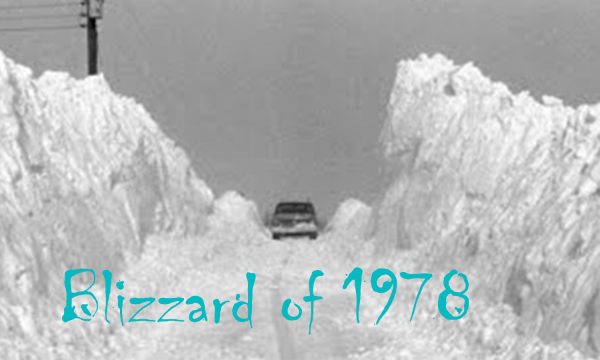 Most will agree that for the past several years, winter here has felt unseasonably warm. Granted, there have been the occasional snowfalls, but the past five or six years haven’t witnessed quite the battle of man-against-nature that it used to for some time–which is especially surprising for Michiana, given its history with cold weather, such as the Great Blizzard of 1978–where over three feet of snow fell in just two short days from Jan. 25-27. Drifting snow in that blizzard reached heights of eight feet, closing down nearly all activities for two weeks.
Yet, as mentioned before, this type of weather hasn’t been prevalent locally for numerous years now. However, the upcoming winter months may change this. According to ABC57 Chief Meteorologist Tom Coomes, Elkhartans should brace themselves. “My forecast is calling for a snowier and colder winter than many EHS students have experienced; the last harsh winter was 2018. But, I don’t expect this winter to be worse than that!”
The logical reason for this chilling twist is due to an overall change in the climate. “The climate is warming,” Coomes explains. “We will still have winter, but it really is fighting with one hand tied behind its back.”
This forecast will prove a welcomed surprise for winter lovers but remain a challenge for others. After all, winter is the harshest season in all respects. With the added snowfall, nature is really going to be testing people’s endurance and coping skills in the upcoming months.
An example that many have already experienced with the recent November storm is the power outages. A lack of power during the colder months becomes an obvious cause for concern. A well-insulated home, for instance, can stay around 10-15 degrees warmer than the outside temperature. Therefore, if the outside temperature falls to 0-degrees Fahrenheit, the inside temperature of an unheated home could fall as low as 10-degrees.
Coomes stated in relation to the November storm that “the real issue with the power outages, besides the wet heavy snow (because it’s been warm) was the fact the leaves were still on the trees…because this autumn has been mild.” Explaining further, he adds, “The leaves caught the snow, weighing down the trees more.”
This creates a domino effect. Leaves catch melting snow and weigh down the trees they are attached to, leading to some trees perhaps toppling and knocking out power lines, making homes that previously served as a warm shelter against the growing cold just a shelter against the wind and snow as heat is shut off.
Luckily, though, Coomes also mentioned this should be less likely during the later portion of winter, as this effect was caused by the milder temperatures of autumn. During the true winter months, snow will hopefully be more packed and solid on the average. Yet, heavy snow and ice can essentially have the same effect.
Ice, particularly on roadways, will be a constant concern with this upcoming season, Coomes predicts. Snow can be an issue, as well, but it’s mostly the ice left behind from the melting and refreezing of snow that poses the greatest challenge. Even light snowfall can create hazardous conditions. “One thing, working in my field, I see often is people underestimating light snowfall,” Coomes cautions.
This is especially an issue with newer drivers, who might not be accustomed with these sorts of conditions, given the lack of substantial snow and ice on the roads within the past few years. This reinforces why it’s crucial to slow down and drive carefully once snow begins building up on the roads. Car tires have limited traction on snow and ice, causing the vehicle to slide wherever it pleases. All too often, cars crash into other vehicles, trees, or phone poles. At best, it delays the driver from getting to his or her destination. At worst, they never make it home again.
Driving conditions also impact school days. This season, as with all winter seasons, there is an obvious correlation between school cancellations in relation to the impending snowstorms–creating the possibility of snow days! Don’t get too excited, though. With the increasing popularity of E-learning days–particularly synchronous ones–snow days may not feel like the fun, cold breaks they used to be.
On a positive note, synchronous E-learning days can be used to negate the number of days previously added to the end of the school year after a school exceeds its limit of traditional snow days!
So, perhaps it’s time to start considering getting out those winter clothes and preparing for some heavy shoveling, as it appears The Winter of 2025 is going to be a particularly cold one. Mother Nature provides and nurtures all, but to say she’s benevolent is a stretch.











Esly • Jan 7, 2026 at 2:50 pm
The lead of this article is funny. I like how this article was structured to make the reader feel entertained.
Eli Griffes • Jan 7, 2026 at 2:47 pm
Great article! I find it crazy how bad the weather has been lately, and the fact it hasn’t been this bad since 2018 is shocking.